

empty
 
 
28.04.2022 06:55 AM
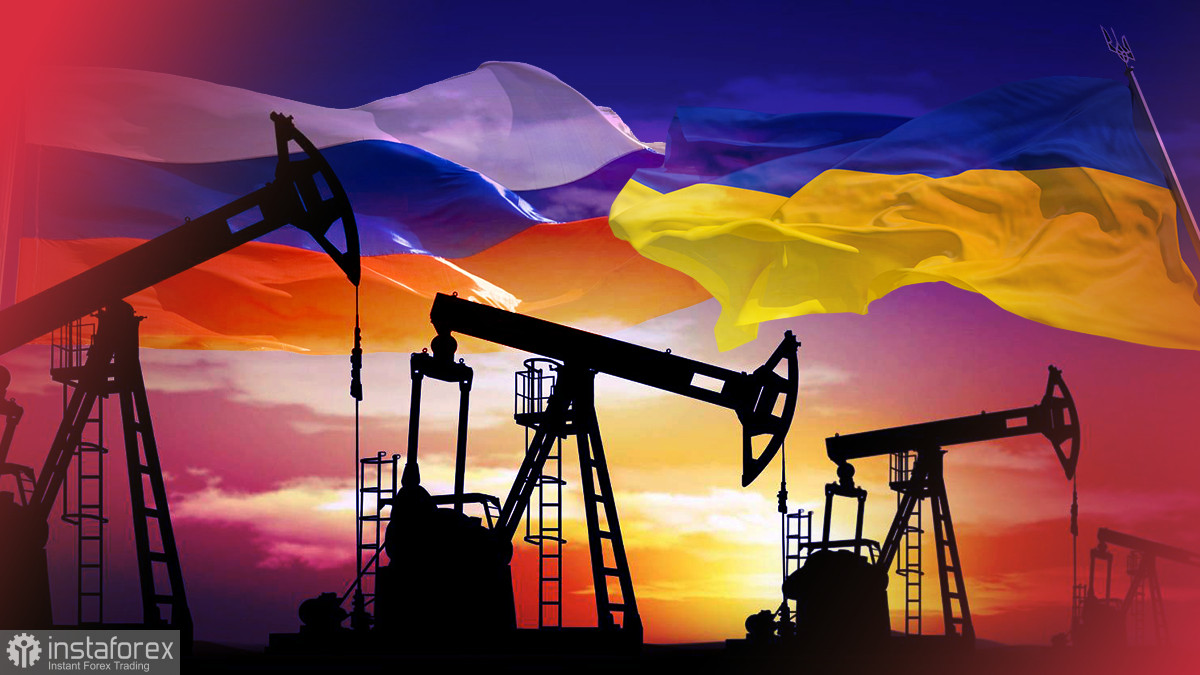
The gas conflict between the EU and Russia is gaining momentum.

This image is no longer relevant

Meanwhile, a new large-scale conflict is brewing between the European Union and Russia. If earlier it was assumed that the European Union was blackmailing the Russian Federation by refusing to buy oil and gas, then in practice it turns out that Moscow is not afraid of the embargo and continues to act from a position of strength. For example, yesterday, it became known that Gazprom refuses to supply gas to Poland and Bulgaria, as these countries refused to pay for gas in rubles. Finland and Estonia are also not going to pay for gas under the "ruble scheme". So far, only Hungary, which is considered almost the only ally of Russia in the European Union, has given official consent to the calculation using this method.

What is this "ruble scheme"? Its meaning is simple: European countries will have to pay for gas in euro currency, as before, but not to Gazprom's European account, but to Gazprombank's account in Russia, which will continue to convert euros into rubles and pay Gazprom. What is the meaning of this scheme? The European Union believes that this is an attempt by the Russian authorities to "circumvent" sanctions, according to which the Central Bank of the Russian Federation should be completely cut off from foreign exchange transactions. However, Gazprombank will most likely exchange euros for rubles at the Central Bank of the Russian Federation. Therefore, the official EU government opposes such a scheme.

At the same time, experts report that Russia's refusal to supply gas to Poland is a painful, but not a fatal blow. Poland's gas supply contracts were coming to an end this year anyway, and new ones would have to be concluded at new prices, which have increased several times recently. Given such an increase in prices, Poland, in principle, does not matter where to pump gas from, the price will be very high in any case. The main thing is to be from where. And this place was found quite quickly - the Baltic Pipe gas pipeline, which will be completed this year with Norwegian oil for the European Union.

In the case of Bulgaria, everything is a little more complicated, but also solvable. The share of Russian gas in imports to Bulgaria is 90%. However, Sofia also buys gas in Azerbaijan, which can increase supplies. The Greece-Bulgaria gas pipeline is due to be launched in the near future, and in addition, Greece has an LNG terminal, which Bulgaria can also buy. Thus, the problem is completely solvable. From our point of view, the gas war will intensify, and in the near future, an oil war will also begin. Relations between Russia and the EU countries are not improving, so they can be expected to worsen. The parties do not have many tools left to influence each other. Oil and gas are the main ones, and although it is unprofitable for Russia to lose such a huge sales market, it is not afraid of this step.

Paolo Greco,
الخبير التحليلي لدى شركة إنستافوركس
© 2007-2025
Summary
Urgency
Analytic
Stanislav Polyanskiy
Start trade
كسب عائد من تغيرات أسعار العملات المشفرة مع إنستافوركس.
قم بتحميل منصة التداول ميتاتريدر 4 وافتح أول صفقة.
  • Grand Choice
    Contest by
    InstaForex
    InstaForex always strives to help you
    fulfill your biggest dreams.
    انضم إلى المسابقة
  • إيداع الحظ
    قم بإيداع 3,000 دولار في حسابك واحصل على $10,000 وأكثر من ذالك!
    في ديسمبر نحن نقدم باليانصيب $10,000 ضمن حملة إيداع الحظ!
    احصل على فرصة للفوز من خلال إيداع 3,000 دولار في حساب تداول. بعد أن استوفيت هذا الشرط، تصبح مشاركًا في الحملة.
    انضم إلى المسابقة
  • تداول بحكمة، اربح جهازا
    قم بتعبئة حسابك بمبلغ لا يقل عن 500 دولار ، واشترك في المسابقة ، واحصل على فرصة للفوز بأجهزة الجوال.
    انضم إلى المسابقة
  • بونص 30٪
    احصل على بونص 30٪ في كل مرة تقوم فيها بتعبئة حسابك
    احصل على بونص

المقالات الموصى بها

لا تستطيع التحدث الآن؟
اطرح سؤالك في الدردشة.
Widget callback